Credit Score Dashboard
Time Line
Aug. - Oct. 2026
Role
Experience designer
Teams
Credit Engagement Team
PNC Mobile Team
Tools
Figma
Copilot
mobbin
the brief
Score understanding. Action planning. Borrowing readiness. Monitoring and alerts. Trust and transparency.
Many customers see a credit score without knowing what it means, why it moved, or what to do about it. This dashboard turns the number into understanding and action. It explains what drives a score and how changes affect it, builds a prioritized plan with progress tracking, and shows how ready customers are for a mortgage, auto loan, or credit application. Real-time monitoring and alerts keep them informed and help resolve issues, while clear consent and data-use messaging builds trust.
impact
Customer Confidence
Explaining score changes and prioritizing next steps could reduce uncertainty and make credit feel more manageable.
Financial Health
Personalized action plans could support healthier credit behaviors. Chase’s reported score gains among plan completers are encouraging, but do not establish causation.
Protection
Contextual alerts and guided resolution could help customers respond to suspicious activity and reporting errors.
Business Engagement
Credit monitoring offers recurring reasons to return to a banking experience. Effects on retention, lending conversion, and ROI still need validation.
Trust
Clear explanations of data sources, refresh timing, permissions, and usage could strengthen customers’ willingness to participate.
the people & THE MARKET
User Study
Supporting consumer signals:
- 86% of U.S. consumers consider credit monitoring at least moderately important, according to the cited 2024 TransUnion research.
- 32% had not checked their score in the prior year, according to Financial Health Network’s analysis of 2023 survey data.
- 43% used monitoring to learn how to manage their credit scores, according to the cited TransUnion study.
Proposed archetype
Core need
Key question
Credit Builder
Improve credit standing
“Why is my score low, and what should I do first?”
Credit Seeker
Prepare for upcoming borrowing
“Am I ready to apply, and what could improve my readiness?”
Financial Optimizer
Maintain healthy credit
“What changed, and am I making good decisions?”
Identity Protector
Identify and resolve threats
“Is this activity legitimate, and how do I resolve it?”
Market Study
The supplied competitive snapshot compares PNC with Chase, Bank of America, Capital One, American Express, SoFi, and Experian.
PNC’s depicted offering is narrower:
Credit score and history are present, while the benchmark marks gaps in detailed score factors, full reports, alerts, simulation, planning, and identity protection.
Competitors extend beyond visibility:
Explanations, planning tools, monitoring, and protection appear across competing offerings.
Distribution is another distinction:
The snapshot depicts PNC as credit-card-customer-only, while several competitors serve broader customer or prospect audiences.
The strategic opening is connected guidance:
Feature parity alone is less compelling than linking understanding, action, protection, and borrowing goals.
insights & OPPORTUNITY GAP
Explanation, personalization, monitoring, Actionability.
Insights from internal & external research, user & market study.
A score is the starting point, not the outcome.
Customers need answers to three questions: What changed? Why does it matter? What should I do next?
Personalization should follow intent.
Improving credit, preparing to borrow, maintaining financial health, and protecting identity represent more actionable needs than demographic segments alone.
Monitoring matters beyond fraud prevention.
The research identifies opening new credit accounts, managing debt, learning about credit, and checking accuracy as important motivations.
Alerts are potential action moments.
A score change, inquiry, or new account can lead directly to explanation and assistance. The hypothesis that alerts are the primary entry point still needs testing.
Trust belongs inside the experience.
Data provenance, refresh timing, and consent should be understandable where customers encounter their information—not only in policy language.
Gap
Customer consequence
Score without explanation
Customers see movement but cannot interpret it.
Information without prioritization
Customers do not know which action matters most.
Monitoring without borrowing preparation
Customers struggle to connect credit health to an upcoming goal.
Alerts without resolution support
Awareness creates concern without a clear path forward.
Unclear data practices
Customers may hesitate to enroll or share information.
SOLUTIONS
From credit-score visibility to financial confidence
Help customers understand their standing, take meaningful action, resolve risks, and prepare to borrow.
Score Change
→
Explanation
→
Recommendation
→
Progress Feedback
OUTCOMES
Changes informed.
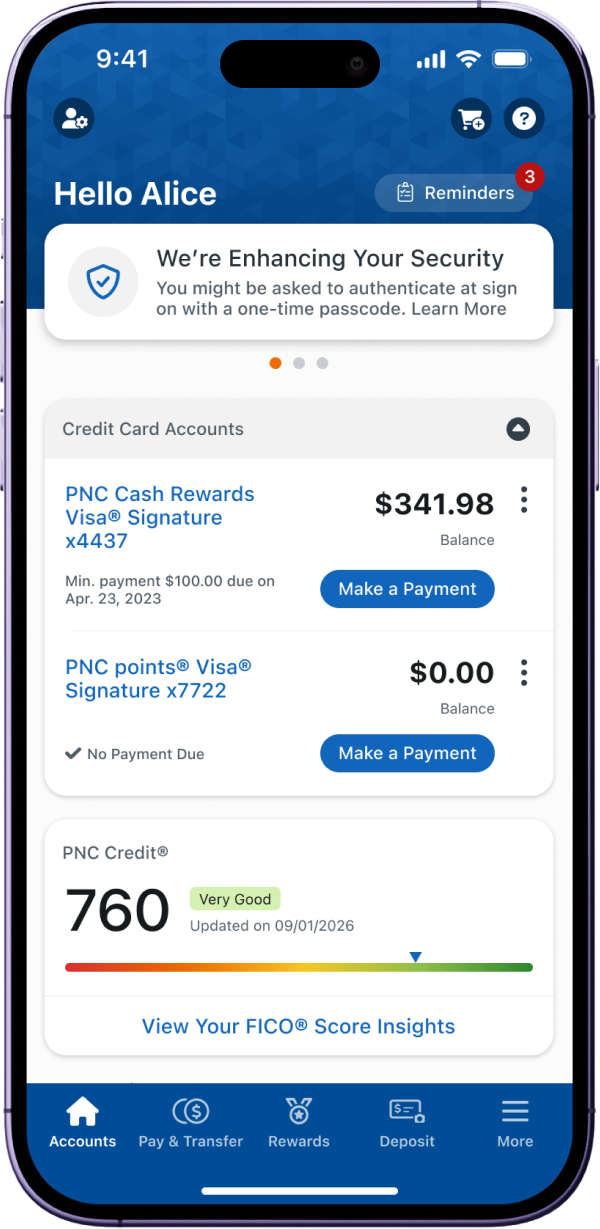
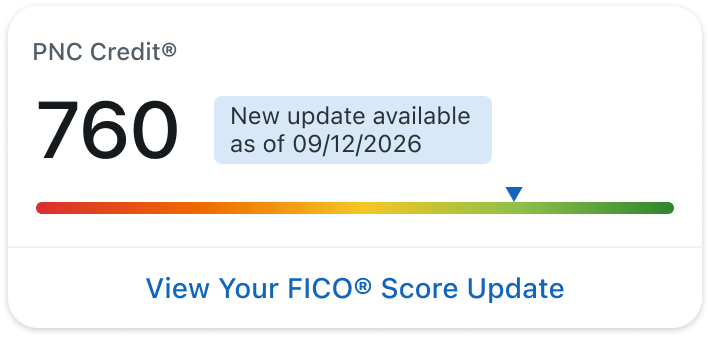
Account Summary With Credit Preview
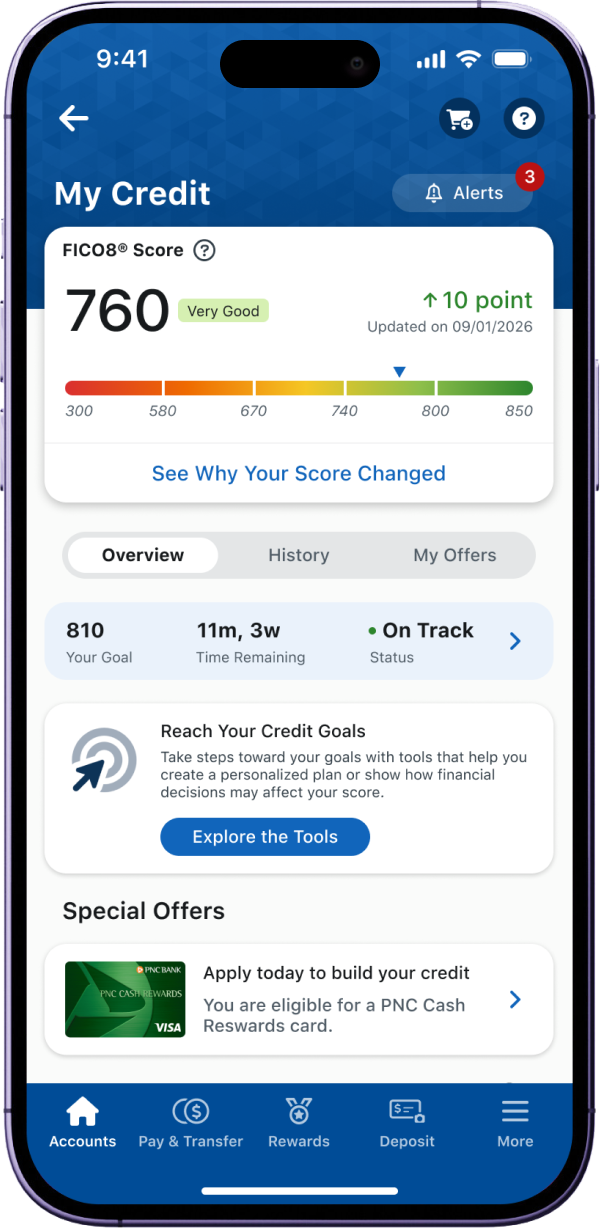
Displaying current score or if there’s a new update.
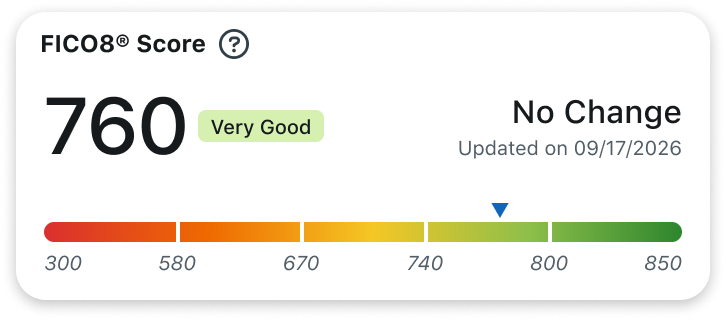
Consistent Summary
Displaying score, rating, and change (or no change).
Reasons explained.
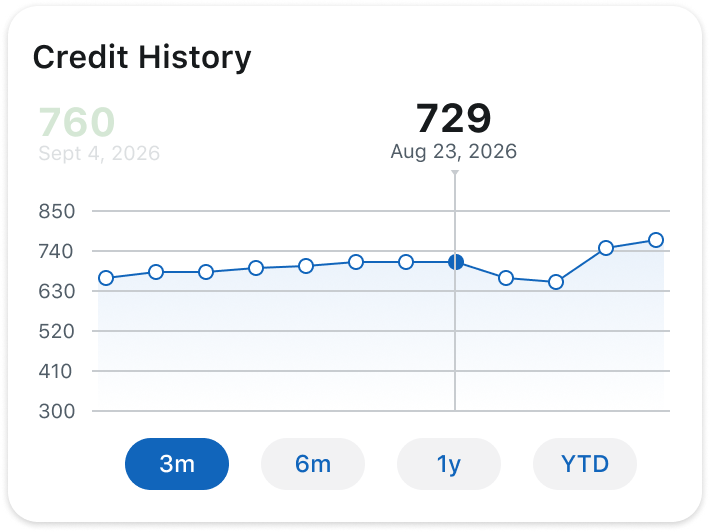
Credit History
Score changes are clearly presented in chronological order, and well explained through different factors.
Ingredients
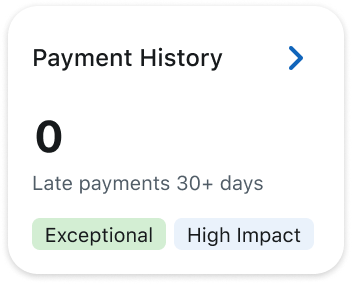
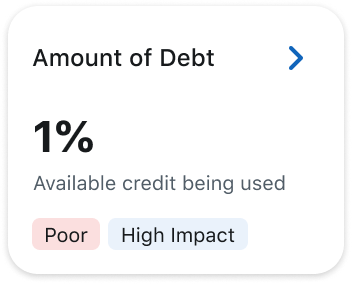
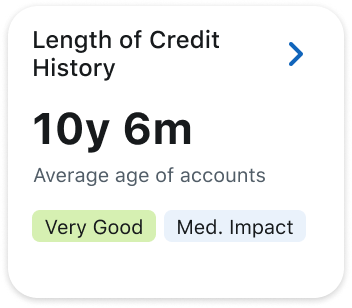
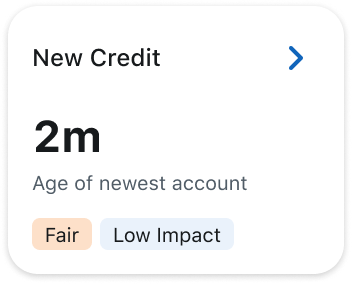
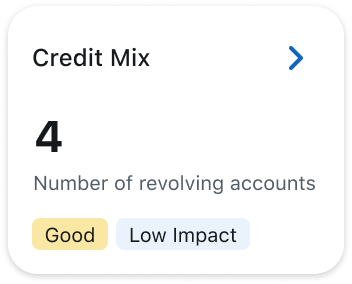
Explaining how different ingredients and their key contributors influence the score directly or indirectly.
Recommendations offered.
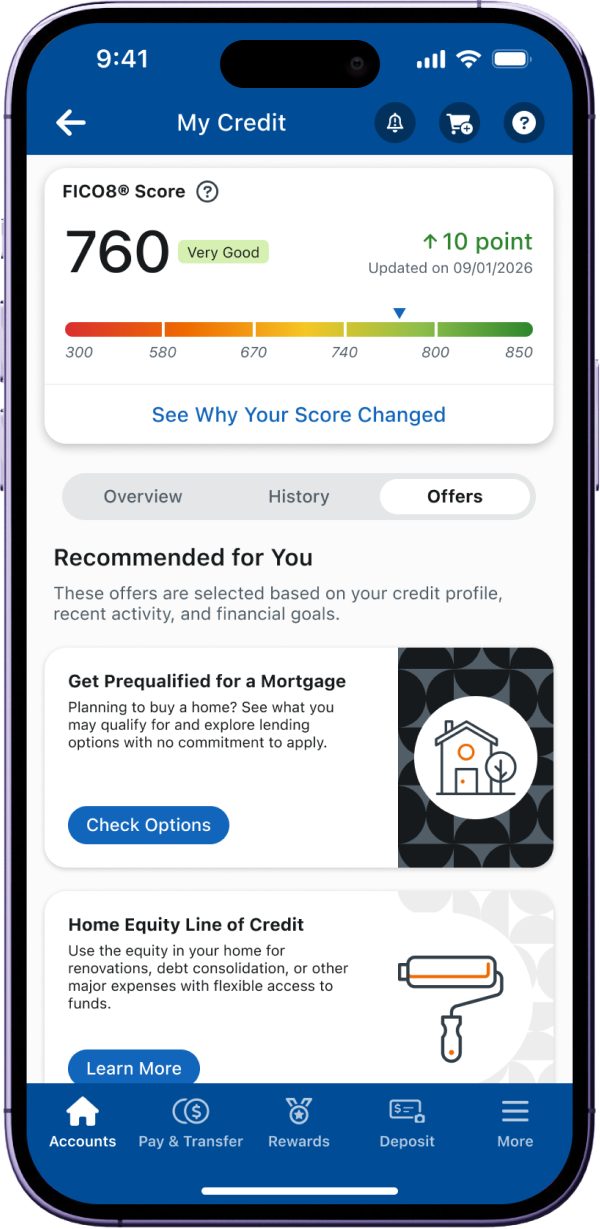
Offers tab
Recommending personalized offers as well as general offers.
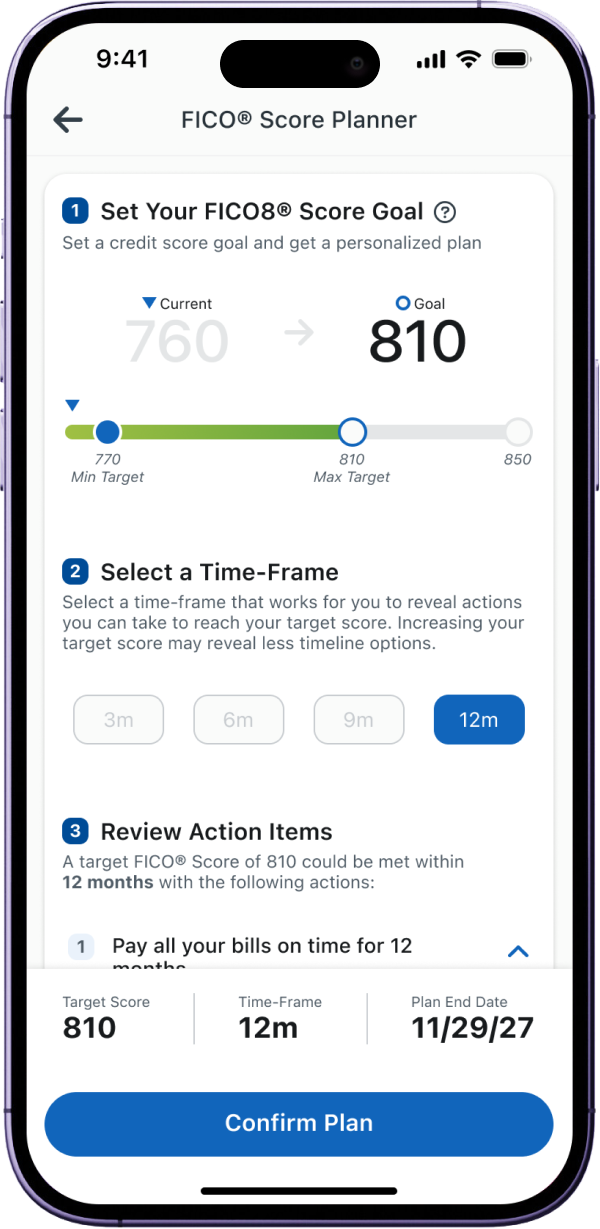
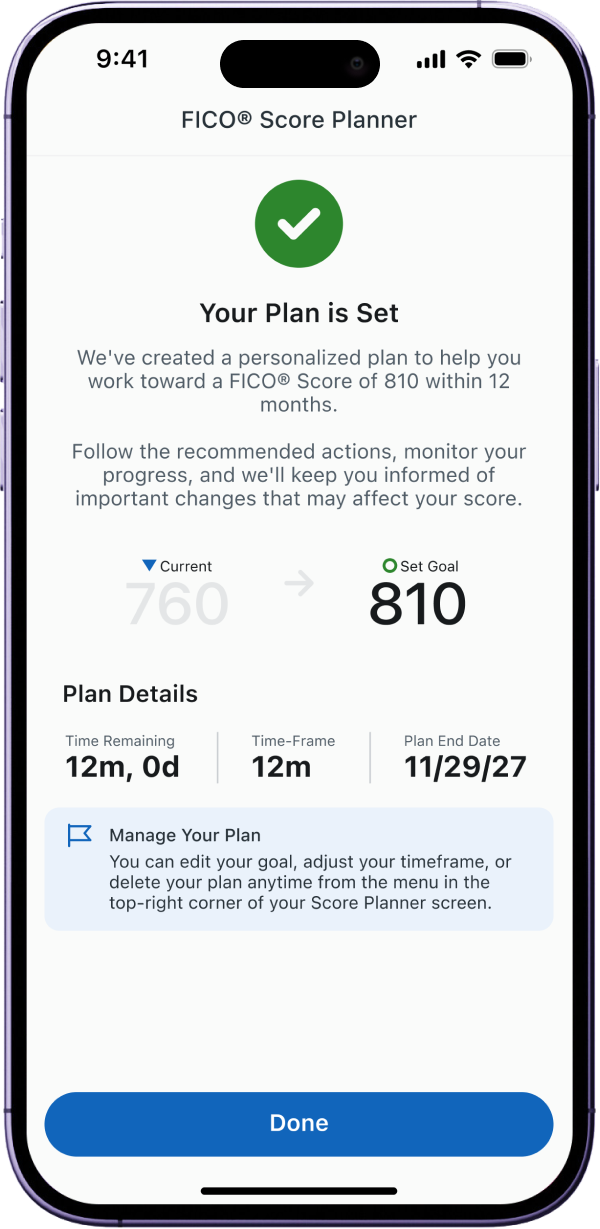
Score Planner
Set up a goal with an actionable plan, and work towards it.
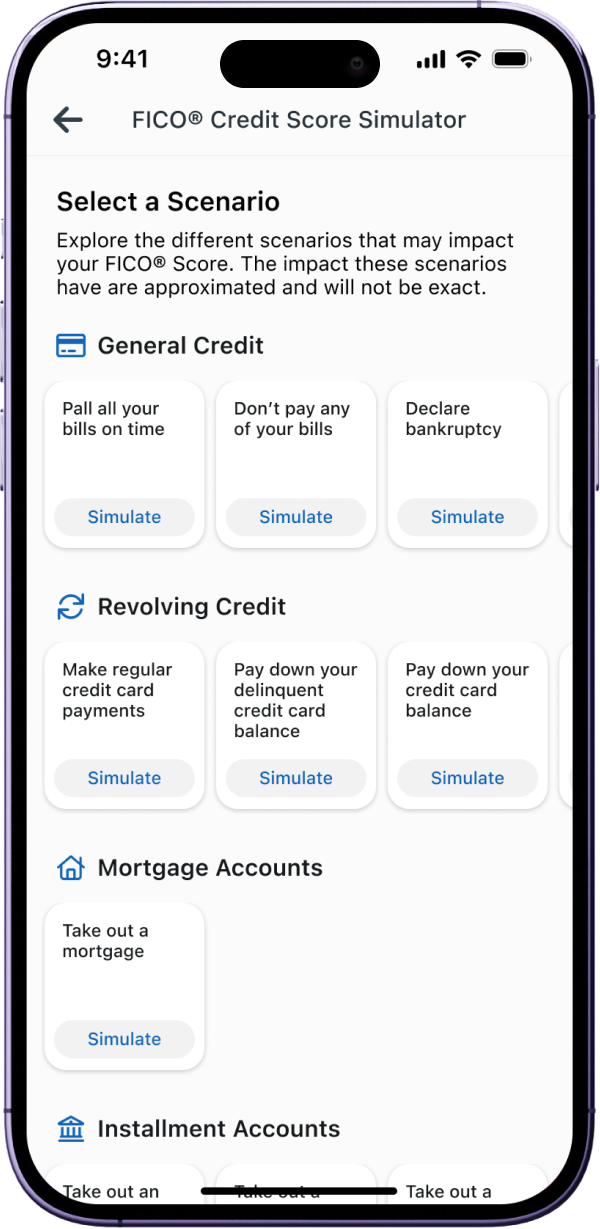
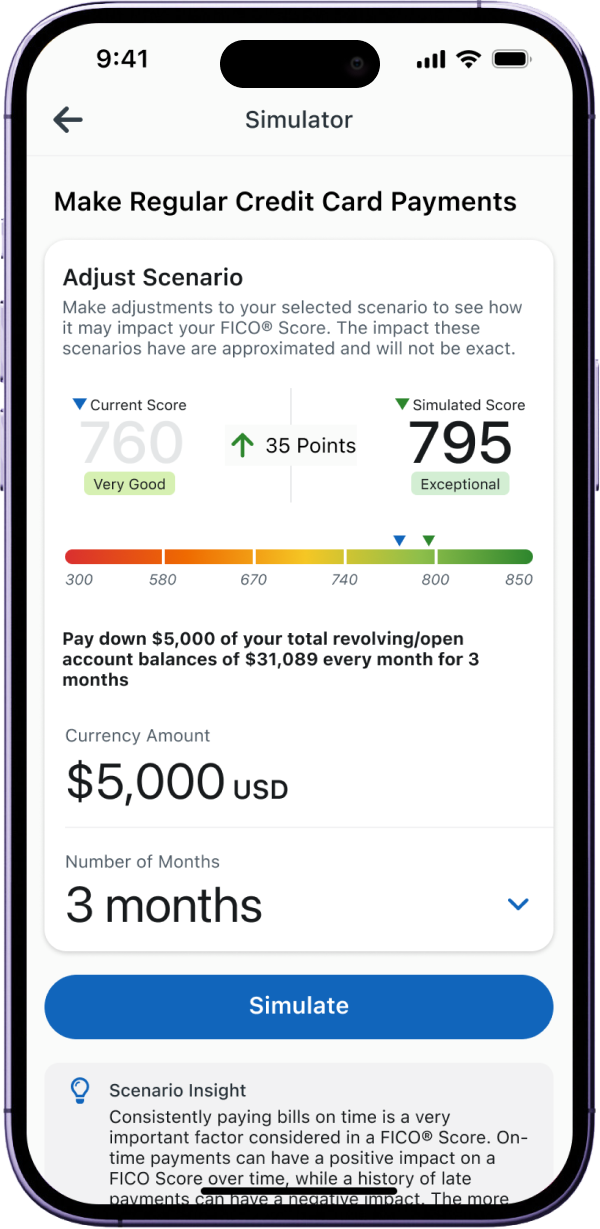
Score Simulator
Simulate a score for all kinds of scenarios to prepare for the next steps.
Alerts notified.
Account Summary page, and credit dashboard informing customer of the score changes.
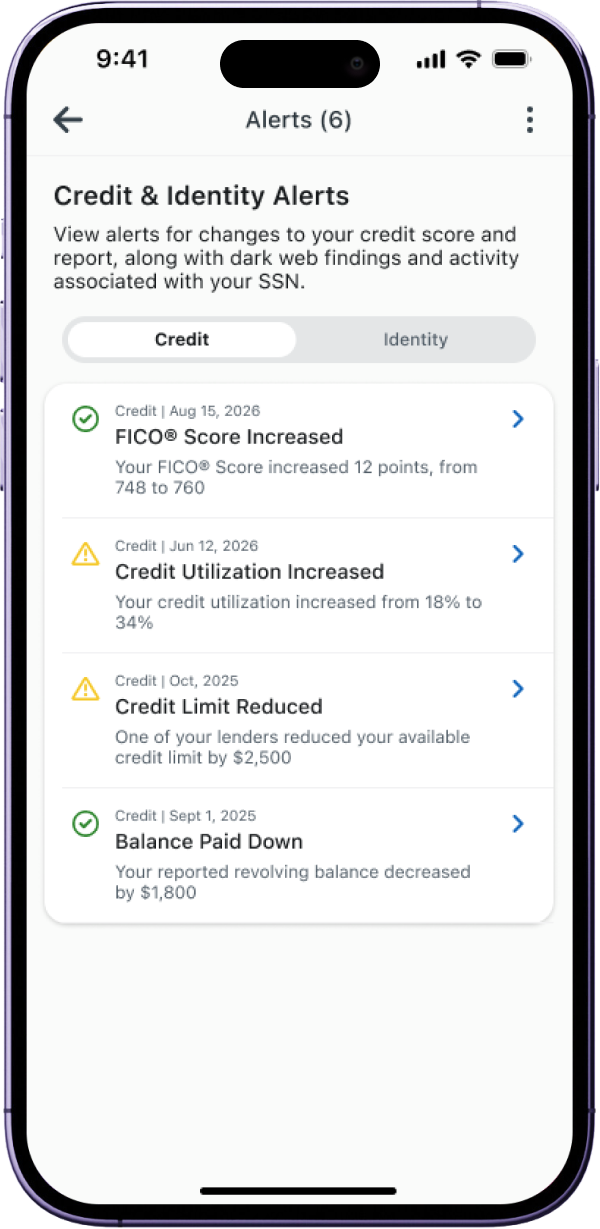
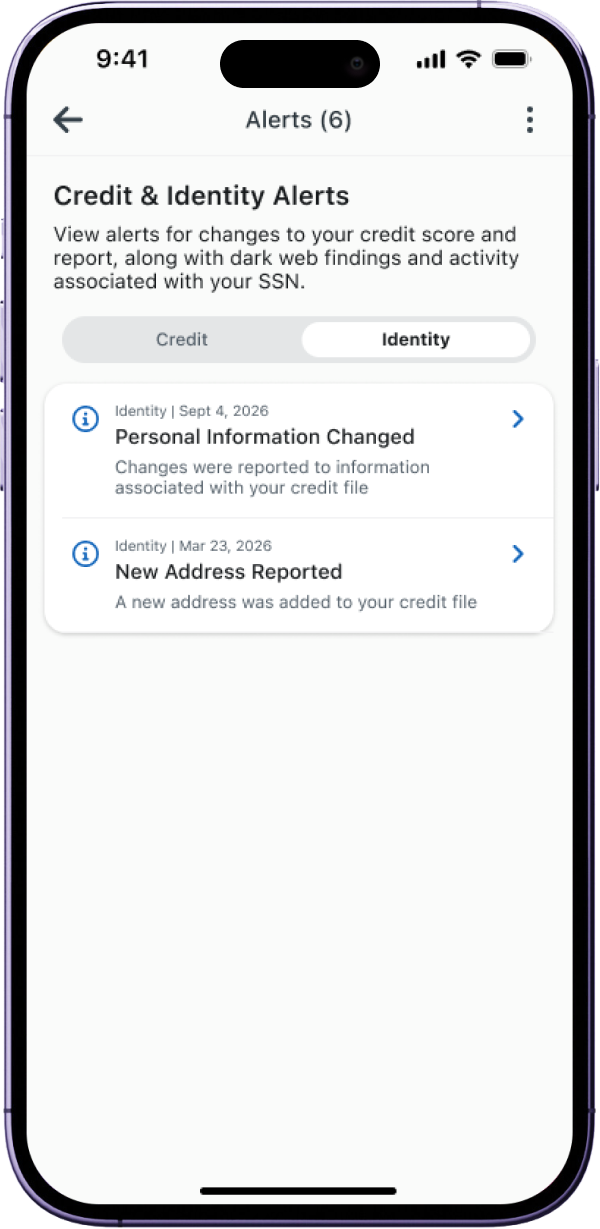
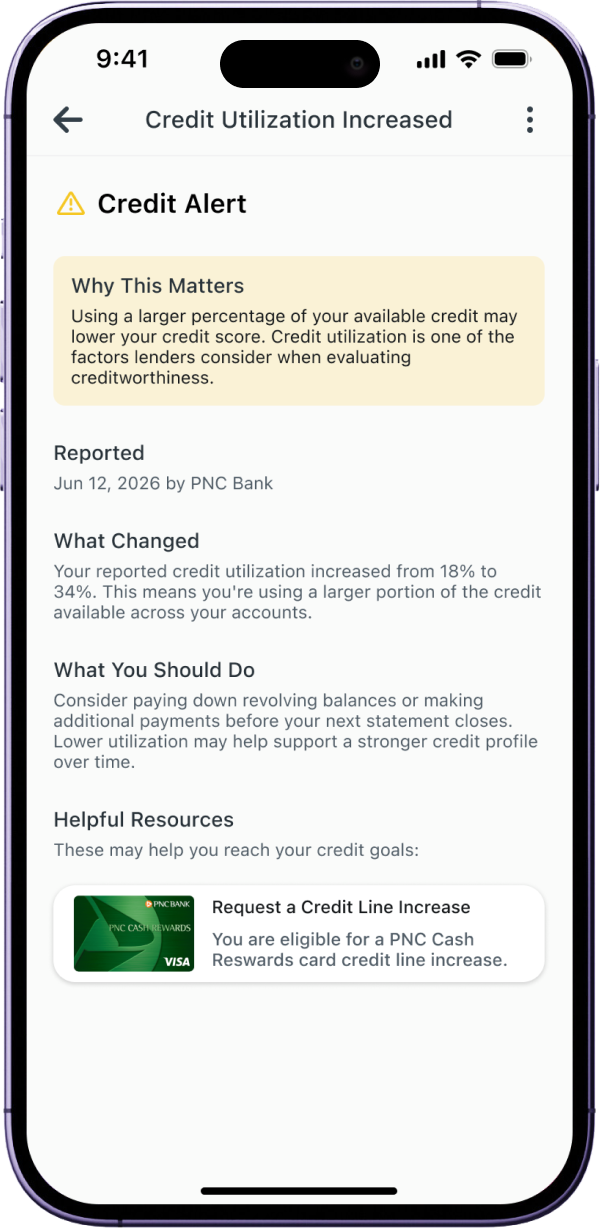
Credit & Identity Alerts
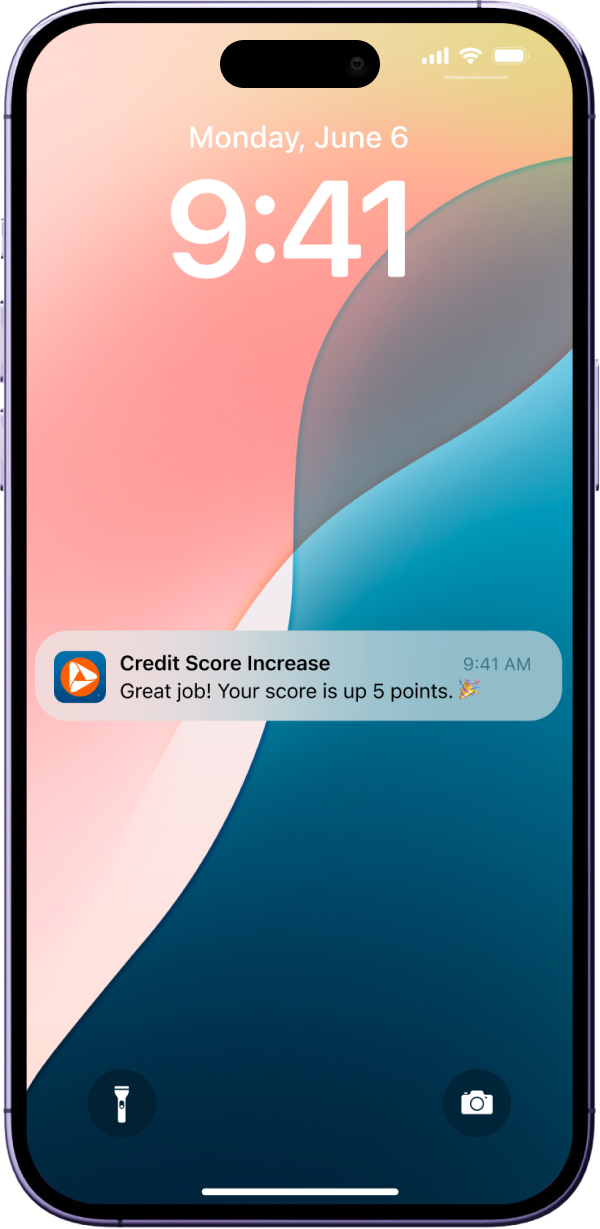



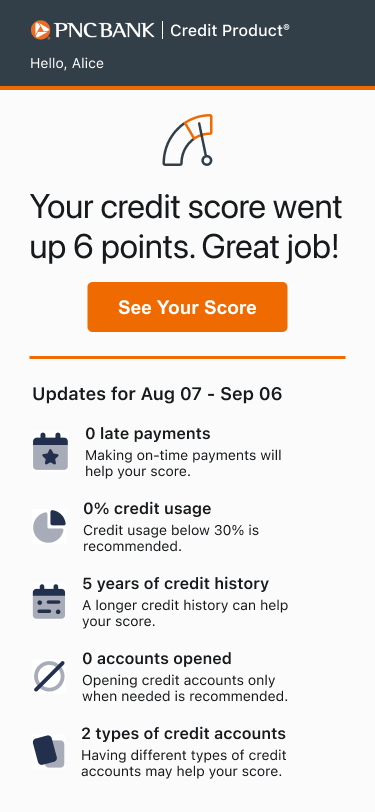
Email & Push Notifications
RETROSPECT
Make complexity into clarity.
Dashboards are among the hardest things to design. With so much data, the challenge is deciding what to show and how. Visualization, context, user intent, and business goals often pull in different directions, and the only way to resolve those conflicts is to understand the users first. That understanding is what makes a product work for both customers and the business.
This case study has been condensed due to NDA restrictions, feel free to reach out for more details.

antoniphzh@gmail.com
